Restaurant Decor Ideas That Elevate the Dining Room

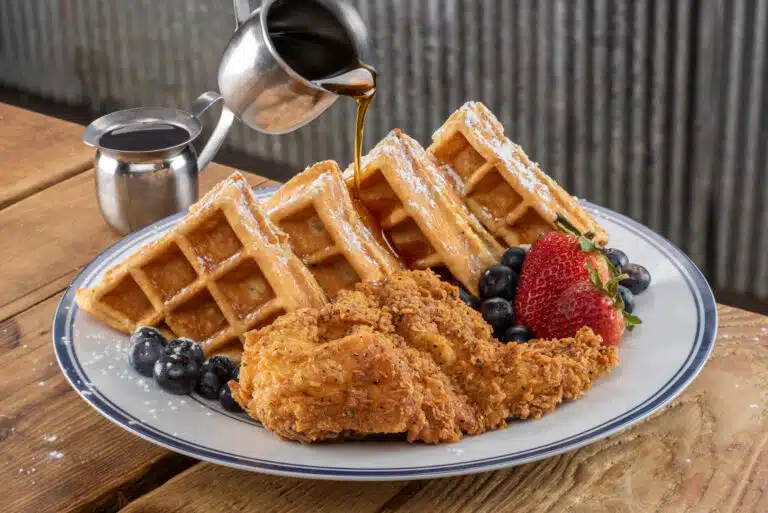

A memorable restaurant dining room rarely depends on one dramatic move. More often, it succeeds because dozens of choices support each other, the light is flattering, the seating feels right after forty-five minutes, the room sounds lively without turning harsh, and every surface seems to belong to the same story. Guests may not name each decision, but they feel the result immediately.
That is what good decor does. It shapes expectations before the first plate lands. It can make a compact neighborhood restaurant feel intimate rather than cramped, a high-volume dining room feel polished rather than noisy, and a new concept feel established from day one. Decor also affects labor, maintenance, and even average check size. If guests linger comfortably over dessert and another round of wine, design has done part of its job.
The best restaurant decor ideas are not about chasing novelty. They are about making the room support the kind of service and atmosphere the business promises. A chef-driven bistro, a coastal seafood spot, and a family-style Italian dining room can all be beautiful, but they should not look interchangeable. The strongest spaces know who they are.
Start with the dining experience, not the shopping list
Owners often begin decor planning by collecting images of banquettes, pendant lights, paint colors, and mural walls. Inspiration matters, but mood boards can distract from a harder question: how should the room actually feel when it is full?
A restaurant that wants brisk table turns needs different decor choices than one built around long dinners. Fast service and compact menus usually benefit from sharper visual energy, cleaner lines, and seating that is comfortable but not lounge-like. A place designed for birthdays, date nights, or tasting menus can lean more into softness, layering, and warmth.
That distinction sounds obvious, yet it is where many dining rooms miss. I have seen beautifully finished restaurants that photographed well before opening but worked against service once guests arrived. Chairs looked elegant but were too low for the table height. Decorative screens blocked sightlines, forcing servers to take longer routes. Dim lighting created atmosphere at 8 p.m. But made lunch feel sleepy and uninviting. Decor cannot be treated as a final cosmetic layer. It has to behave well under real operating conditions.
When planning the room, define the target mood in practical language. Not “stylish” or “elevated,” but terms that actually guide decisions: relaxed but efficient, celebratory without being loud, refined yet approachable, lively with privacy. Those phrases help you choose between velvet and leather, globe pendants and recessed lights, exposed brick and smooth plaster, open shelving and concealed storage.
Lighting does more work than almost any other element
If the budget only allows one major upgrade, lighting usually gives the best return. It controls mood, makes food look better, and changes how finishes read throughout the day. It also reveals design mistakes fast. Cheap lampshades, overly cool bulbs, or uneven illumination can make an expensive dining room feel unfinished.
Good restaurant lighting is layered. Overhead ambient light establishes the base level. Accent lighting adds depth to architectural features, shelving, or artwork. Table lighting, whether from pendants, sconces, or carefully placed indirect sources, creates intimacy and helps guests feel grounded in their seat. The mistake is relying on one source to do everything.
There is also a technical side that matters more than many owners expect. Color temperature should suit both the cuisine and the material palette. Warm light often flatters wood, upholstery, and skin tones, especially in evening service. Extremely cool light can make white plates look stark and polished stone feel clinical. Dimming controls are not optional in a dining room that operates across multiple dayparts. Breakfast, lunch, happy hour, and dinner should not all look the same.
One practical test works better than renderings. Set a sample table with actual plates, glasses, and cutlery under proposed lighting. Then sit down. Look at faces, menus, and the food surface from guest level, not standing height. Many lighting plans seem fine until you realize the pendant creates glare in wine glasses or leaves the seat opposite in shadow.
Color should support appetite, comfort, and dwell time
Color choices in a restaurant dining room are partly emotional and partly functional. Rich earth tones, tobacco leather, deep greens, warm whites, terracotta, muted reds, and natural woods tend to wear well because they flatter people and food. They also age gracefully. That matters in a business where repainting a whole dining room can mean closure, labor expense, and lost revenue.
Bright colors can work, but they require more discipline than many concepts allow. A saturated wall that looks energetic in a design deck may dominate the room once signage, uniforms, tableware, and menu graphics are added. The strongest use of bold color usually comes through contained moments: a banquette run, a tiled bar front, custom millwork, or art. That approach gives identity without exhausting the eye.
Neutrals deserve more respect than they sometimes get. A palette built around plaster, oak, matte black, linen, and stone can feel more luxurious than a room packed with feature colors. Texture, contrast, and light variation often create more depth than pigment alone. In restaurants especially, calm backgrounds can help the food and service become the visual focus.
There is also the matter of maintenance. Very dark matte walls show scuffs. Pale upholstery reveals every spill. High-chroma painted surfaces fade unevenly in rooms with strong daylight. Color decisions should always be tested against cleaning schedules and replacement costs, not just aesthetics.
Seating is decor, but it is also a business decision
Guests judge comfort within seconds. They may not mention it directly, but seating affects how long they stay, how much they order, and whether they return. Restaurant decor ideas often focus on surfaces and statement pieces, yet chairs and banquettes shape the dining room more fundamentally than almost anything else.
The seat height has to relate properly to the table. That sounds basic, but mismatched proportions remain common, especially when furniture is sourced from residential vendors or assembled from different collections. If guests have to hunch, perch, or stretch, the room fails no matter how attractive the upholstery is.
Banquettes are often an excellent choice because they add softness, absorb some sound, and use space efficiently. They can also define zones in open rooms. The trade-off is flexibility. Freestanding tables and chairs can adapt more easily to changing party sizes, private bookings, or service adjustments. The right answer depends on the concept. A restaurant with heavy reservation traffic and many two-tops may benefit from built-in seating. A neighborhood spot that often rearranges for groups may need more mobility.
Fabric choice matters as much as shape. Performance textiles have improved dramatically and no longer need to look synthetic. Leather and faux leather wipe down easily, but they can feel sticky in warm climates or under direct sun. Boucle and highly textured fabrics look inviting in photographs, yet they may trap crumbs and wear unevenly in high-turn dining rooms.
A practical rule worth remembering:
- Sit in every chair for at least ten minutes.
- Test banquettes with winter coats and bags in mind.
- Measure aisle clearance during a mock service setup.
- Check how easily staff can reset tables around each seat.
- Evaluate cleaning time, not just first-day appearance.
Those five checks catch problems early, before a full room exposes them the expensive way.
Acoustics separate polished rooms from stressful ones
Many restaurant owners think first about how the room looks, then discover during soft opening that guests cannot hear each other. Acoustics rarely show up in photos, yet they define comfort. A loud room can shorten visits, increase staff fatigue, and make a well-designed restaurant feel chaotic.
Hard finishes are often the culprit. Polished concrete, glass fronts, metal details, exposed brick, and bare ceilings can all look beautiful, but together they bounce sound aggressively. The answer is not to abandon character. It is to add balance. Upholstered seating, curtains where appropriate, acoustic panels integrated into millwork, area rugs in select sections, and wood slat features with sound absorption behind them can all soften a room without making it look engineered.
Ceiling treatment deserves special attention. In many dining rooms, the biggest uninterrupted reflective surface is overhead. Even modest acoustic intervention there can dramatically improve the experience. This is especially true in spaces with open kitchens or bars, where background sound already runs high.
Music selection also interacts with decor. A restaurant with intimate finishes and candlelit tables can feel disjointed if the sound system is too sharp or too loud. Likewise, a bright all-day cafe may feel strangely flat if the music is timid. Design works best when visual and sonic cues tell the same story.
Texture creates richness without clutter
The dining rooms that feel expensive are not always the ones with the costliest furniture. More often, they are the ones with thoughtful layering. Texture gives a restaurant depth, especially when the palette is restrained.
Think about the difference between a flat painted wall and a limewash or plaster finish that catches side light. Consider what happens when smooth marble is paired with ribbed wood paneling, matte ceramic planters, woven shades, brushed brass details, and crisp linen napkins. None of those materials needs to shout. Together they produce a room guests read as complete.
Texture is also useful for zoning. A dining room can shift from a lively bar edge to a quieter back section through material changes alone. Different upholstery, a timber ceiling treatment, or a change in wall finish can create subtle boundaries without adding physical barriers.
The key is restraint. Too many signature materials compete. If every surface is patterned, veined, tufted, or reflective, the room loses focus. Usually, one strong architectural texture, one soft upholstery texture, and one accent finish are enough to build interest.
Walls should feel curated, not filled
Blank walls can make a new restaurant feel temporary. Overdecorated walls can make it feel nervous. The sweet spot is curation, where what appears on the wall seems intentional, scaled correctly, and relevant to the concept.
Artwork works best when it supports the room rather than explaining it too literally. A seafood restaurant does not need walls covered in fish illustrations to signal its theme. Abstract coastal tones, black-and-white harbor photography, or handmade textile pieces may tell the story more elegantly. Likewise, an Italian restaurant does not improve by hanging stock vineyard prints in every corner.
Mirrors are one of the most useful tools in restaurant decor, especially in narrow or low-light rooms. They amplify light, create movement, and can make a compact dining room feel more generous. But placement matters. Mirrors should reflect attractive views, not service stations, stacked high chairs, or restroom corridors.
Large-format wall treatments can be effective if they are integrated into the room's architecture. Murals, custom wallpaper, and tiled feature walls all work when they reinforce the brand and do not overpower the dining experience. If guests spend more time photographing one wall than engaging with the space as a whole, the decor may be doing too much.
Plants help, but only when they are maintained well
Greenery softens hard architecture, improves sightlines, and introduces life into the room. Plants can also help separate tables subtly, especially in open-plan restaurants where privacy is limited. A line of tall planters between seating zones can make the dining room feel more intimate without blocking staff movement.
Still, plants are not a free design win. Dying foliage, dusty leaves, and mismatched pots do real damage to the atmosphere. Guests notice neglect quickly. If the restaurant does not have a reliable maintenance plan, fewer plants done properly are far better than a jungle that declines within a month.
The most successful use of greenery is often architectural rather than decorative. Built-in planters, climbing vines on structured trellises, or one large specimen plant in a focal location usually look more sophisticated than scattering small pots on every ledge. Scale matters. Tiny plants in a large dining room often disappear visually.
Fresh flowers can elevate the room too, but they require consistency. A beautiful arrangement one weekend and an empty vase the next does not signal care. If florals are part of the concept, they need to stay part of the rhythm.
Decor should guide movement without feeling controlling
A dining room works best when guests intuitively understand where to enter, wait, sit, and move. Good decor supports that flow. It uses sightlines, furniture placement, lighting emphasis, and architectural cues to make the space legible.
Hosts should be visible from the entrance. Waiting areas need enough presence to feel intentional, but not so much size that they steal prime dining space. Bar seating often acts as a visual anchor, especially in restaurants where walk-ins are important. Pathways to restrooms should be easy to find without turning the room into a corridor.
This https://www.google.com/maps?cid=12825594496636542546 is where many attractive restaurant designs start to fray. Oversized decor pieces can constrict aisles. Decorative partitions may force awkward traffic patterns. Statement lighting hung too low can disrupt server movement. Every design decision should be tested during a simulated service, ideally with trays, bussing tubs, and actual chairs pulled out to guest position.
A room that flows well feels calmer, even when it is full.
Small branded details often have the biggest effect
Not every decor improvement requires construction. Some of the strongest dining rooms build identity through repeated small details that feel specific to the restaurant. The shape of the menu cover, the texture of the napkin, the finish on the check presenter, the style of candleholders, and the design of coat hooks all contribute to memory.
These details matter because guests encounter them at close range. A beautiful bar back may set the scene, but a heavy water glass with a good hand feel or a nicely finished tabletop influences the experience directly. That is often where a restaurant either confirms its concept or undercuts it.
It is also where budget discipline pays off. Rather than spreading money thinly across too many decorative gestures, focus on touchpoints guests interact with constantly. Well-made tabletops, attractive side plates, a coherent mix of hardware and trim, and durable custom upholstery usually do more for the room than a novelty ceiling installation.
For restaurants updating on a limited budget, these areas are often worth prioritizing:
- Lighting controls and bulb quality
- Chairs, banquettes, and tabletop comfort
- Wall paint or finish refreshes
- Acoustic softening in the loudest zones
- Signature details at guest touchpoints
That order will vary by concept, but it reflects a common pattern: improve what guests feel repeatedly before adding what they only glance at once.
Style should age well enough to survive success
Trend-driven decor can generate early buzz, but restaurants live in real time, under wear, spills, dents, and changing customer expectations. A dining room should still make sense in three to five years, not only on opening night. That does not mean playing safe. It means giving the space a durable backbone.
Usually, the wisest approach is to make permanent elements timeless and let flexible elements carry more fashion. Floors, major millwork, built-in banquettes, tile, and core lighting should have staying power. Art, cushions, decorative objects, paint accents, and seasonal styling can evolve more easily.
This matters operationally. If a concept needs a mild refresh after two years, swapping artwork, repainting selected walls, reupholstering cushions, or adjusting table lighting is manageable. Replacing all fixed finishes because the original look dated too fast is another story.
A restaurant also changes once it finds its audience. The lunch crowd may become stronger than expected. Private events may increase. Guests may dress more casually or more formally than the brand team predicted. Decor that leaves some room for adaptation tends to age better than a rigidly themed room with no flexibility.
The strongest dining rooms feel inevitable
When restaurant decor is done well, guests often describe the room with simple words: warm, polished, inviting, romantic, energetic, comfortable. They do not usually talk about the exact wall finish or fabric composition, because the design has become part of the experience rather than a separate display.
That is the real aim. Not to collect every appealing restaurant decor idea, but to make choices that support each other so fully the room feels inevitable. Light should flatter the food. Seating should invite a second course. Color should calm or energize with purpose. Acoustics should let people hear each other without strain. Decorative details should reinforce the brand at the scale of the hand and eye.
A dining room does not need to be large or extravagant to achieve this. Some of the most compelling restaurant spaces are modest in size and disciplined in material use. They know where to spend, where to stay quiet, and where to create a moment guests remember. That kind of design is less about spectacle and more about judgment.
When the room fits the service, the cuisine, and the neighborhood, guests feel it right away. They settle in faster. They stay longer. They come back. And that, more than any isolated trend, is what truly elevates the dining room.
Walter's BBQ Southern Kitchen
Address: 4501 Butler St, Pittsburgh, PA 15201
Phone number: +14126837474
FAQ About Restaurant
What is the 30 30 30 rule in restaurants?
The 30-30-30 rule in restaurants is a classic financial budgeting guideline that suggests dividing revenue into three main cost categories: 30% for food costs, 30% for labor costs, and 30% for overhead, leaving the remaining 10% as profit.
What does 68 mean in a restaurant?
In a restaurant, 68 means that a food or drink item is back in stock and available to sell again. It is the exact opposite of the much more common code 86, which means an item is out of stock and gone.
Is it rude not to tip at restaurants?
Yes, not tipping at a sit-down restaurant is generally considered rude in the United States and Canada, where standard tips range from 15% to 20%, but customs vary heavily by country. In North America, servers rely on tips as a core part of their income because laws allow lower minimum wages for tipped staff. In many other parts of the world, like parts of Europe and the UK, tipping is optional or not expected because workers receive a full standard minimum wage.