Bar With Private Room Ideas for Intimate Wedding After-Parties
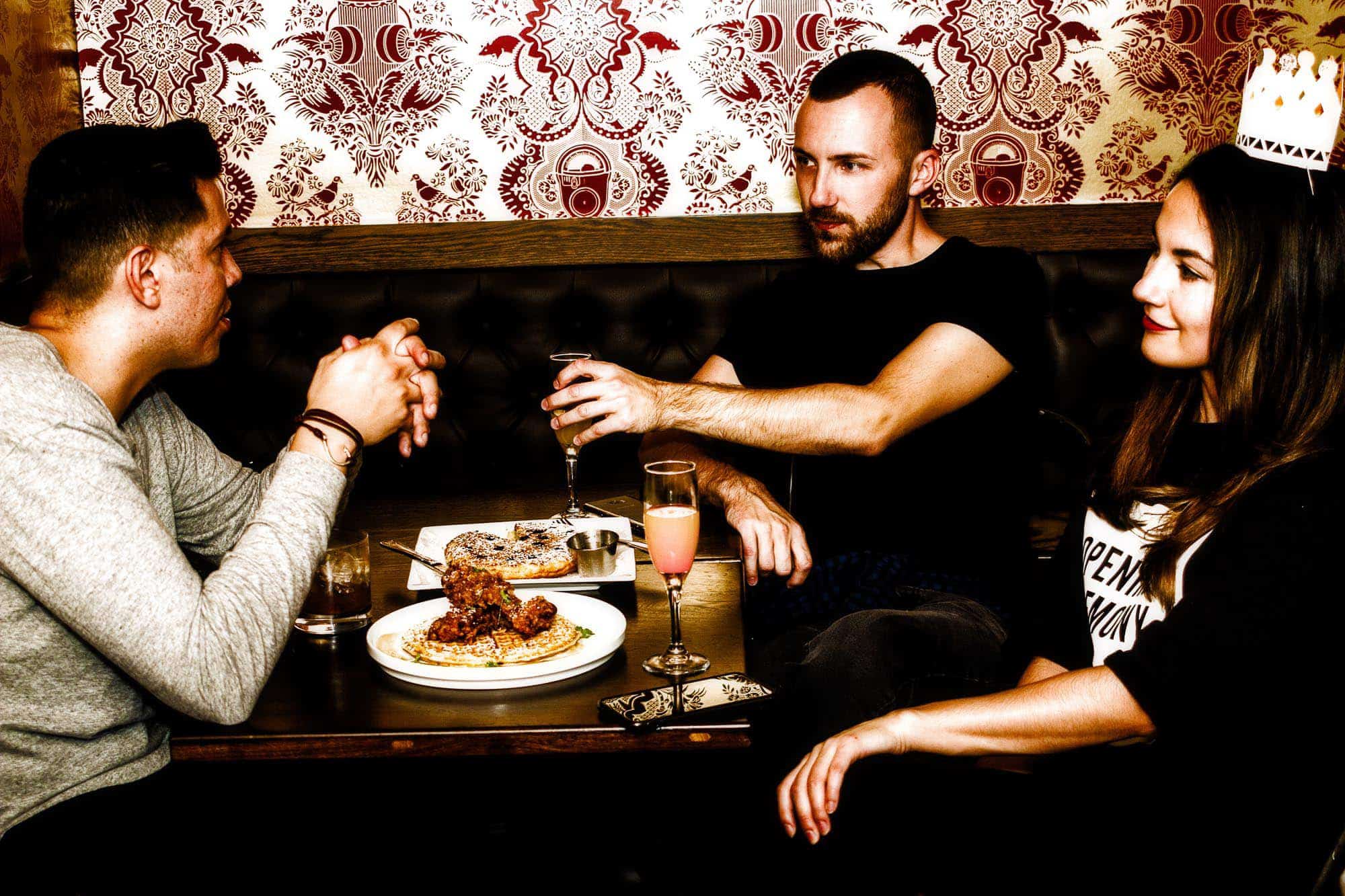
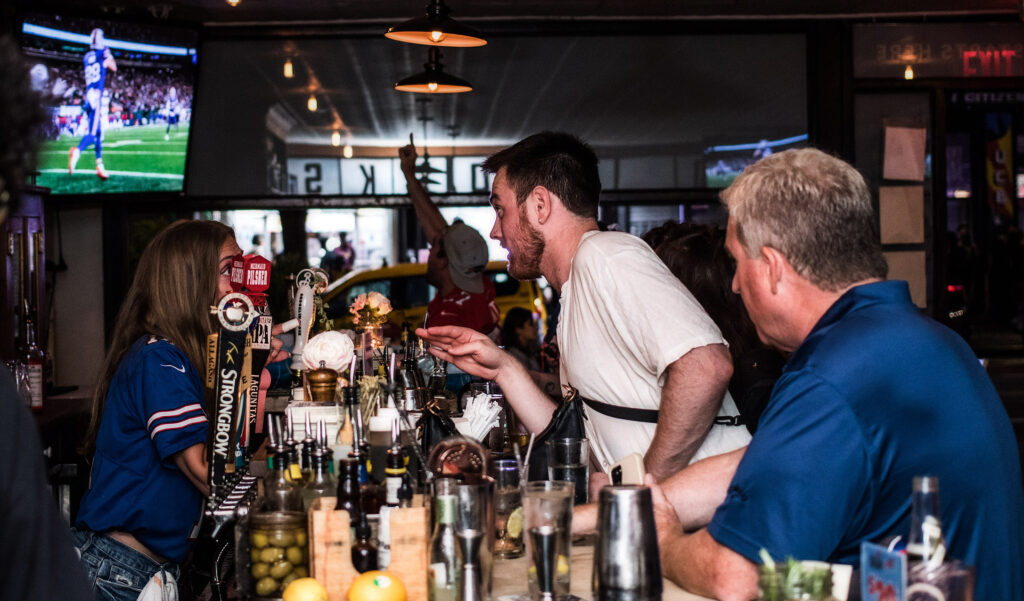
The best wedding after-parties rarely feel like an extension of the reception. They feel like a release. Jackets come off, heels get kicked under the banquette, the playlist gets looser, and the guest list narrows to the people who will still be laughing about one story at breakfast the next morning.
That is exactly why a bar with private room works so well for intimate wedding after-parties. It gives couples a cleaner break between the polished part of the day and the part everyone remembers as fun. You get the atmosphere of a real bar, the convenience of a defined space, and enough privacy to keep the night personal rather than public.
Done well, this kind of setting solves several common wedding problems at once. It keeps transportation simple, avoids the cost and production demands of a second full venue, and creates a natural place for your inner circle to gather without the formality of assigned seating, speeches, or a detailed run of show. Done poorly, it can feel cramped, overpriced, oddly lit, or too disconnected from the rhythm of the wedding day.
The difference usually comes down to fit. Not just whether the room is pretty, but whether it suits the kind of after-party you actually want.
Why private rooms in bars suit intimate celebrations
There is a practical reason couples keep circling back to this format. Most after-parties only need three things: energy, ease, and separation from the main event. A restaurant buyout can feel too seated. A nightclub can be too loud, too late, and too anonymous. A hotel suite can become chaotic fast, especially once room service ends and glassware starts running short. A bar with private room sits in the middle. It has hospitality infrastructure built in, but it still feels social rather than staged.
For intimate wedding groups, that balance matters even more. If your after-party guest count is somewhere between 15 and 60 people, a private room gives you enough containment to make the gathering feel intentional. Nobody is wandering around trying to find your people. Nobody is hovering awkwardly because they are not sure whether they belong. The room itself signals that this is a continuation of the celebration, not just a suggestion to meet somewhere later.
I have seen the strongest versions of these after-parties happen when the couple stops trying to recreate the reception. The room is not there to host another formal event. It is there to hold a mood. Once that clicks, decisions get much easier. You stop worrying about centerpieces and start thinking about seating pockets, late-night food, and whether the music can shift from background to danceable without making conversation impossible.
The room should match the second half of the night
A common planning mistake is choosing the prettiest private room instead of the one that behaves best after 10 p.m. Those are not always the same thing. Velvet booths and moody lighting photograph beautifully at 7 p.m., but if the room has no airflow, too few seats, or a rigid food and beverage setup, the charm fades by the second round.
When considering a private room, think less like a wedding planner and more like a host who has stayed at good parties and left bad ones early. People need surfaces for drinks. They need enough soft seating to settle in without the room becoming static. They need space to stand in clusters. They need a door that closes if the group is lively, but not so much isolation that the room feels sealed off from the bar’s atmosphere.
Some couples want a private room because they want exclusivity. Others want it because they want a home base while still dipping into the main bar for energy. Both can work, but they create different requirements. The first needs stronger in-room identity, perhaps your own playlist, a dedicated bartender, and a little more structure. The second benefits from proximity to the bar floor, quick service, and easy re-entry so guests can move in and out naturally.
This is where site visits matter. A room can be listed as private and still function like overflow dining. If the venue uses that space primarily for business dinners, rehearsal events, or daytime meetings, ask yourself whether it genuinely transforms at night. Some rooms never do. Others come alive once the candles are lit and the cocktail station is stocked.
Five after-party styles that work beautifully in a bar with private room
There is no single right setup. The strongest idea is the one that reflects how you and your closest people actually spend time together.
The cocktail-lounge after-party
This works well for couples who want conversation first, dancing second. The room should feel layered and comfortable, with banquettes, low tables, and warm lighting. Music matters, but it should support the room rather than dominate it. A jazz bar, hotel cocktail lounge, or upscale neighborhood bar often suits this format.
The advantage is stamina. Guests in their thirties, forties, and beyond often stay longer when they can hear each other and sit down without feeling like they have exited the celebration. It also keeps the evening elegant without turning stiff. If your reception already had a packed dance floor, this can be the perfect tonal shift.
The hidden speakeasy room
A tucked-away room behind a curtain, stairwell, or discreet corridor creates a little theater. It feels discovered, even if every guest received directions in advance. This style is especially good for city weddings, where part of the appeal is the sense of place. A hidden room lets the after-party feel like a private chapter of the night.
The trade-off is access. Speakeasy-style spaces can have limited capacity, stairs, low ceilings, and strict service patterns. They are memorable, but they need careful guest management. If your “intimate” group tends to grow once word gets out, choose a venue with clear capacity enforcement so the room does not collapse under last-minute additions.
The music-forward room with its own sound control
Some couples want the after-party to be the real party. If that is your instinct, look for a bar with private room that allows a dedicated playlist or DJ input. Full club production is rarely necessary. Good speakers, controllable volume, and a room shape that encourages movement will do more for the night than expensive décor.
This style works best when you resist overprogramming. People do not need another grand entrance. They need a song that changes the temperature of the room and enough open floor to dance with a drink in hand. If there is a place for coats and bags, even better. The fewer obstacles guests have to dancing, the more likely they are to do it.
The late-night dining room hybrid
Some of the happiest after-parties are not especially glamorous. They are built around excellent fries, crisp martinis, cold beer, and a room where everyone can settle in after hours of formal celebration. If your crowd values food almost as much as music, this format can be a winner.
Think of a private room attached to a lively tavern, bistro bar, or restaurant-bar hybrid. The room should have enough seating for shared plates and enough looseness that it does not feel like a second dinner service. The trick is choosing a menu that is satisfying without becoming messy or slow.
The hotel bar private room
For logistics, this one is hard to beat. If a large portion of your guests are staying on site or nearby, a hotel bar’s private room simplifies the entire back half of the night. No transportation puzzle, no navigating weather in formalwear, and no losing half the group between venues.
Hotel bar rooms can sometimes feel generic, so they need a little personality. Better hotels solve this with strong design and polished beverage service. Less distinctive spaces can still work if you add custom playlists, signature cocktails from the wedding menu, or a midnight snack that feels playful rather than obligatory.
Guest count changes everything
The same room can feel chic with 22 guests and underwhelming with 45. This is where couples most often misjudge private spaces. They think in maximum capacity terms when they should be thinking in live-party terms.
A private room listed for 40 seated or 60 standing may feel ideal on paper for a 35-person after-party, but the real question is how many of those 35 will arrive at once, how many will stay, and what they will want to do when they get there. If everyone is coming straight from the reception and most people are eager for one more drink, the room needs immediate breathing room. If half the group will peel off, go change, or arrive later, a slightly tighter space can create better energy.
The sweet spot is usually a room that feels full at about 70 to 80 percent of its technical capacity. That gives enough density for momentum without forcing guests into each other’s laps. It also leaves room for the bags, wraps, and flower bundles that inevitably travel with wedding parties whether anyone planned for them or not.
Food and drink are less about volume than timing
Many couples overorder for after-parties because they are afraid of running out. In reality, people do not need another full meal at midnight. They need the right food, served at the right moment. Salty, hot, passable-in-one-hand food beats a beautiful spread that arrives too early or too late.
A room with direct bar service often outperforms a room requiring guests to flag servers across a restaurant corridor. Speed matters. If your first wave of guests arrives and waits 20 minutes for drinks, the room loses spark fast. That is why dedicated service, whether a private bartender or a server assigned mainly to your room, is worth paying for when the budget allows.
As for menus, after-party food should be forgiving. Sliders, flatbreads, fries, skewers, dumplings, fried chicken bites, tacos, good chips with excellent dip, and late-night breakfast items all tend to work. So do small desserts, but only if they supplement rather than replace savory food. People coming from a reception have already seen cake. They are usually happier with something hot and salty.
Signature drinks can be fun, but after a wedding reception, simplicity often wins. A short bar package with classic cocktails, wine, beer, and one spirit-free option is usually enough. Anything too elaborate slows service. Save the creativity for names or presentation, not for drinks that require ten ingredients and a torch.
Privacy can mean different things, and you should define it clearly
Not every private room is truly private. https://cruzsfcu256.wordcanopy.com/posts/bar-with-private-room-planning-tips-for-last-minute-events Some have sliding doors that stay open. Some share sound with the main floor. Some permit other patrons to pass through on the way to restrooms or patios. Some reserve only a section of a larger lounge and market it as exclusivity because it is roped off.
That may still be perfectly fine, but it is not the same experience. If privacy is important because your group is emotional, energetic, celebrity-adjacent, or simply close-knit, ask direct questions. Can the door close? Is the room visible from the main bar? Are outside guests ever allowed to enter? Who controls music volume? Is there a minimum spend tied to a fixed time slot, or can the room be extended if the night is going well?
The practical side of privacy matters too. Restroom proximity is one of those small details that becomes a major quality issue at 11:30 p.m. So does acoustic spill. A room that traps every shout will feel much louder than a larger space with better absorption. During walk-throughs, clap once, speak in a normal tone, and notice how the sound behaves. It tells you a lot.
Decor should be minimal, specific, and useful
An after-party private room does not need heavy styling. In fact, too much décor usually gets in the way. Guests are not arriving fresh to admire tablescapes. They are arriving mid-celebration, carrying phones, drinks, wraps, and the social momentum of the night.
What does help is selective personalization. Matchbooks with your wedding date, cocktail napkins with a private joke, a framed note at the entrance, a few candles if the venue allows them, and one floral gesture repurposed from the wedding can go a long way. If the bar has personality, let it carry the visual experience.
Furniture arrangement matters more than decorative layering. If the venue lets you adjust the room, pull seating into conversational islands. Remove unnecessary high-tops if they choke circulation. Keep one obvious drop zone for gifts, cards, or personal items. Good hosting is often invisible, but guests feel it when the room works.
Timing the handoff from reception to after-party
The transition can make or break attendance. If there is too much downtime, people fade. If there is too little, guests feel herded. The ideal handoff usually lands 30 to 60 minutes after the reception ends, depending on distance and transportation.
This is one place where clarity beats romance. Guests should know whether the after-party is for everyone, a smaller invited group, or close friends only. Ambiguity creates awkwardness, especially in intimate weddings where most people know each other. A simple mention on the wedding website, a note in the itinerary, or a quiet verbal invitation from the couple can solve the problem.
Here is a practical rhythm that tends to work well:
- Let the reception end decisively, not slowly.
- Build in enough travel or reset time for guests to use restrooms, change shoes, or drop bags.
- Have drinks ready the moment the first guests arrive.
- Serve late-night food within the first 30 to 45 minutes.
- Set the initial music and lighting before anyone enters the room.
This sequence sounds basic, but it prevents the most common dead-air moments. A great after-party should feel like it was already alive when guests walked in.
Budget reality, where private rooms earn their keep
Couples sometimes assume a private room at a bar is automatically the budget option. It can be, but not always. The true value is less about low cost and more about efficiency. You are buying atmosphere that already exists. You are also buying staff, licensing, furniture, glassware, and cleanup without needing a separate production team.
Most private room arrangements come in one of three structures: a room fee plus food and beverage, a minimum spend, or a partial buyout where certain categories are included. Minimum spends are often the cleanest deal if your group drinks steadily and stays for a set period. Room fees can look expensive at first glance but become reasonable if they include dedicated staffing or waived rental elements that would cost more elsewhere.
Watch for the soft costs. Security requirements, cake-cutting fees for bringing dessert from the wedding, overtime charges, AV fees, coat check labor, and mandatory gratuities can quietly change the math. If the after-party starts late, confirm the exact end time and what happens if your group wants another hour. Some venues are flexible. Others are strict because of neighborhood noise rules, staffing shifts, or liquor laws.
Questions worth asking before you book
A private room can look perfect online and still fail under event conditions. The best site visits are not just visual. They are operational.
Ask the venue these questions:
- What does the room feel like at the exact hour our party would begin?
- Will we have a dedicated bartender or primary server?
- How many guests fit comfortably for mingling, not just by fire-code maximum?
- Can we control our own music, lighting, and food timing?
- What fees apply beyond the quoted minimum or rental?
The answers usually reveal whether the venue hosts private events often or simply rents a room when asked. There is a difference. Teams with real after-party experience will answer quickly, with specifics. They will mention pacing, transitions, and crowd flow. Less experienced teams tend to speak only in package language.
A few pairings that consistently work
Some combinations of venue style and wedding style are just naturally harmonious. A black-tie city wedding often lands well in a moody cocktail bar private room with banquettes and martinis. A garden wedding with a smaller inner-circle guest list can shift beautifully into a cozy wine bar room with candlelight and snacks. A modern hotel wedding usually benefits from an after-party in the same building, especially if the room feels separate enough to mark a new phase of the night.
One pairing I have seen work especially well is the elegant reception followed by a slightly unexpected bar room. Not sloppy, not divey unless that is truly your thing, but looser than the wedding itself. That contrast gives guests permission to exhale. It keeps the after-party from feeling like overtime.
Another strong approach is choosing a bar connected to your relationship story. The neighborhood cocktail bar where you had your third date, the hotel lounge where your families first met, the whiskey room where you celebrated your engagement. These venues often produce the most grounded evenings because the choice means something beyond aesthetics.
What guests remember the next morning
They rarely remember whether the napkins were customized. They remember whether the room felt like you. They remember whether finding it was easy, whether the first drink came quickly, whether there was somewhere to sit and somewhere to dance, whether the fries arrived at exactly the right time, and whether the night had a sense of belonging rather than obligation.
That is the quiet strength of a bar with private room. It supports intimacy without forcing it. It gives structure without too much formality. It can feel polished, playful, hidden, glamorous, relaxed, or a little unruly, depending on what you choose. Most of all, it lets the wedding day loosen its tie.
For couples planning an intimate celebration, that may be the smartest after-party move available. Not because it is trendy, and not because it photographs well, though it often does. Because it respects what the end of a wedding night actually is: a gathering of the people who are not ready for it to be over yet.
The Winslow
Address: 243 E 14th St, New York, NY 10003
Phone number: +12127777717
FAQ About Bar With Private Room
Which bars in NYC offer private rooms?
Many bars in New York City offer private and semi-private rooms for parties and events, ranging from hidden basement speakeasies to upscale lounge spaces. Top options include The Back Room on the Lower East Side, Dear Irving Gramercy, Pebble Bar in Midtown, Mister Paradise in the East Village, and The Winslow in the East Village.
What is a private room in a pub called?
A small, private seating area or partitioned booth in a traditional pub is most commonly called a snug. Larger private rooms used for events, parties, or dining are typically referred to as private dining rooms, function rooms, or back rooms.
How much does a 2 hour open bar cost?
A 2-hour open bar generally costs between $15 and $45 per person, depending heavily on the quality of alcohol you choose. For a standard group of 100 guests, this translates to an overall cost of $1,500 to $4,500 before taxes, setups, and staff gratuities.